
Cybersecurity in 2026: What is Coming and How to Prepare Now
The cybersecurity environment is changing quickly. Here is what small businesses need to know
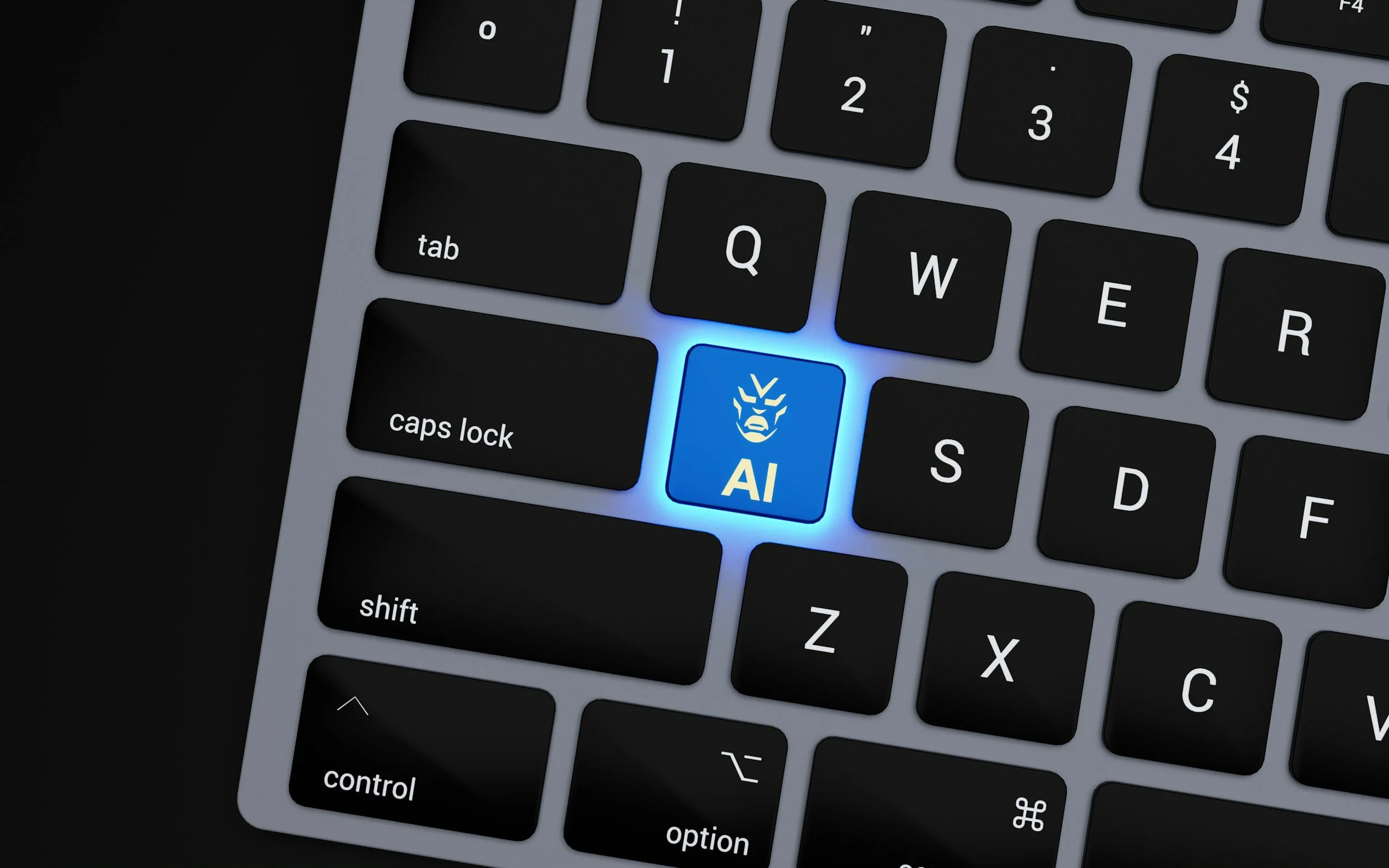
The central force driving this change is artificial intelligence. It is transforming both sides of the cybersecurity equation: giving defenders powerful new tools, while also providing attackers with capabilities that were not available even a few years ago. The pace of change means that a business that felt reasonably secure in 2023 may now be more exposed, not because anything went wrong, but because the risk environment has moved on.
How AI is changing attacks
Criminals are now using AI to make their attacks faster, more convincing, and harder to detect. The implications for small businesses are significant and worth understanding clearly.
Phishing emails used to be relatively easy to spot. Awkward language, generic greetings, and implausible requests were reliable warning signs. AI has changed this. Attackers can now analyse a company’s public communications such as its website, social media, and press releases, and generate messages that closely mimic internal tone and language. What once took hours of manual effort now takes seconds. The result is phishing that looks, reads, and feels like a genuine internal message.
Deepfake technology is also making voice and video impersonation increasingly realistic. An employee might receive a call that sounds exactly like their CEO, asking them to urgently transfer funds or share a login. The voice may be synthetic, generated from publicly available recordings, but the request appears real. These attacks are already happening at larger organisations and are gradually filtering down to smaller businesses. The defence in many cases is not technology alone, but process. Any request for money or sensitive access, regardless of how it arrives, should require independent verification through a separate, known channel.
Sophisticated AI powered malware can now change its own structure in real time to evade detection tools, making traditional defences less effective when used on their own.
How AI is changing defences
The same technology that empowers attackers also empowers defenders. AI powered security tools can monitor systems continuously, detect unusual patterns of behaviour such as a login from an unfamiliar location or a large file transfer at an unusual time, and respond to threats faster than any human team could. For small businesses without dedicated IT staff, this kind of automated monitoring is particularly valuable.
Cloud based security tools that incorporate AI are now available at price points accessible to small businesses. They do not require deep technical expertise to operate, and many integrate directly with the software businesses already use. The key is to treat them as one layer in a broader security approach, not as a standalone solution.
What this means in practice is that the standard for both attack and defence is rising. Businesses that remain well protected will be those that combine appropriate technology with well trained, security aware staff and clear internal processes.
The growing regulatory landscape
Alongside the technological changes, regulatory requirements are also increasing. In Ireland and across Europe, the coming years bring heightened obligations under the NIS2 Directive, which covers network and information security, the Digital Operational Resilience Act, and the EU AI Act, which requires organisations using AI systems to demonstrate that those systems are secure and auditable.
Even businesses that do not consider themselves technology companies may be affected, particularly if they work with larger clients, operate in regulated sectors, or use AI tools in any part of their operations. Regulators and larger organisations will increasingly expect businesses to be able to explain how their systems work, who is responsible when something goes wrong, and what controls are in place.
The practical outcome is that cybersecurity is no longer just an IT issue. It is becoming a commercial, operational, and governance issue that clients, partners, and regulators will increasingly ask about.
What small businesses should do now

The pace of change can feel overwhelming, but the fundamentals remain the same. If you have followed the steps in our previous two articles, you are already in a stronger position than most. The next steps are largely about strengthening processes and awareness.
Businesses should consider the following:
Update staff training to include AI powered threats. Staff should understand that phishing emails and voice calls are becoming more convincing, and that additional verification steps, particularly for financial transactions, are now essential.
Introduce verified authorisation workflows for high risk actions such as payments, credential changes, and access requests. No single person should be able to authorise these based solely on a message or phone call.
Review your SaaS software footprint. Many businesses use dozens of cloud tools, each with its own permissions and configurations. Periodic review of who has access to what, and whether they still need it, is now a core security practice.
Stay informed about regulatory requirements relevant to your sector, particularly if you work with public sector clients or in financial services.
Cybersecurity can often be seen as a technical problem with technical solutions. In reality, it is a business risk that requires business thinking. The organisations that manage this well are not necessarily those with the biggest budgets or the most sophisticated tools. They are the ones that have made security part of their processes, their training, and their everyday decision making.
This includes ongoing staff training, clear procedures for handling unusual requests, controlled access to sensitive systems, and a willingness to invest modestly in protection before an incident forces far greater expenditure in recovery. It also means reviewing systems and processes regularly, as the risk environment will continue to evolve.
Cybersecurity risks are now a normal part of running a business. With the right foundations in place and a structured approach to managing risk, small businesses can manage these risks effectively and demonstrate to clients and partners that their data and systems are being handled responsibly.
If you would like to discuss cybersecurity risks or business risk management more generally, please feel free to contact us.