
AI and the Workforce in 2026: From Experimentation to Real Change
Artificial intelligence is no longer a distant concept discussed mainly in technology circles. It is already influencing how people work, how organisations operate and how leaders make decisions.
For many businesses the question for 2026 is not whether artificial intelligence will affect the workforce. The real question is whether organisations are preparing their people and structures for the changes that are already beginning to appear.
Much of the discussion around artificial intelligence has focused on the technology itself. Yet the real challenge is not technical. It is organisational and human. The organisations that will benefit most are those that focus on how people work with these tools rather than simply introducing them.
What Employees Actually Need

For many employees the arrival of artificial intelligence brings a mixture of curiosity and concern. This is particularly true for people at the beginning of their careers who may feel that parts of their role could be automated in the future.
Leaders who approach this transition with honesty will build far more trust than those who attempt to present artificial intelligence only as an opportunity. Acknowledging uncertainty does not weaken leadership. In many cases it strengthens it.
Employees do not expect leaders to have every answer. What they look for is clarity about direction. When leaders explain where the organisation is heading, how artificial intelligence fits into that strategy and what this may mean for different roles, people are far more likely to engage constructively with the change.
Trust also extends to the technology itself. Employees need confidence that the tools they are being asked to use are reliable and that their outputs can be interpreted responsibly. They also want to understand the limits of these systems. Artificial intelligence can assist decision making, but it does not replace judgement or accountability.
Where organisations invest time in explaining how these tools work and how they are intended to support employees, adoption becomes far easier. People are more willing to experiment, learn and adapt when they understand the purpose behind the technology rather than feeling that it has been introduced without explanation.
The Skills Shift Is Already Happening
The workforce trends of the past year suggest that the most valuable employees are not necessarily those with deep technical expertise in artificial intelligence. In many organisations the greatest impact has come from people who combine a basic understanding of artificial intelligence with strong analytical thinking, communication skills and sound judgement.
These individuals are sometimes described as artificial intelligence generalists. They may not design complex systems themselves, but they understand how to use artificial intelligence tools effectively within real work situations. They know how to frame questions properly, assess outputs critically and apply the results to practical decisions.
As artificial intelligence systems begin to handle more routine tasks, human work increasingly moves toward interpretation and oversight. Employees will spend more time deciding how information should be used, questioning the outputs generated by systems and applying insight to complex problems.
For organisations this shift has important implications. Job roles may gradually evolve as some tasks become automated while others grow in importance. Career development will increasingly focus on analytical thinking, communication and the ability to apply technology thoughtfully rather than simply technical operation.
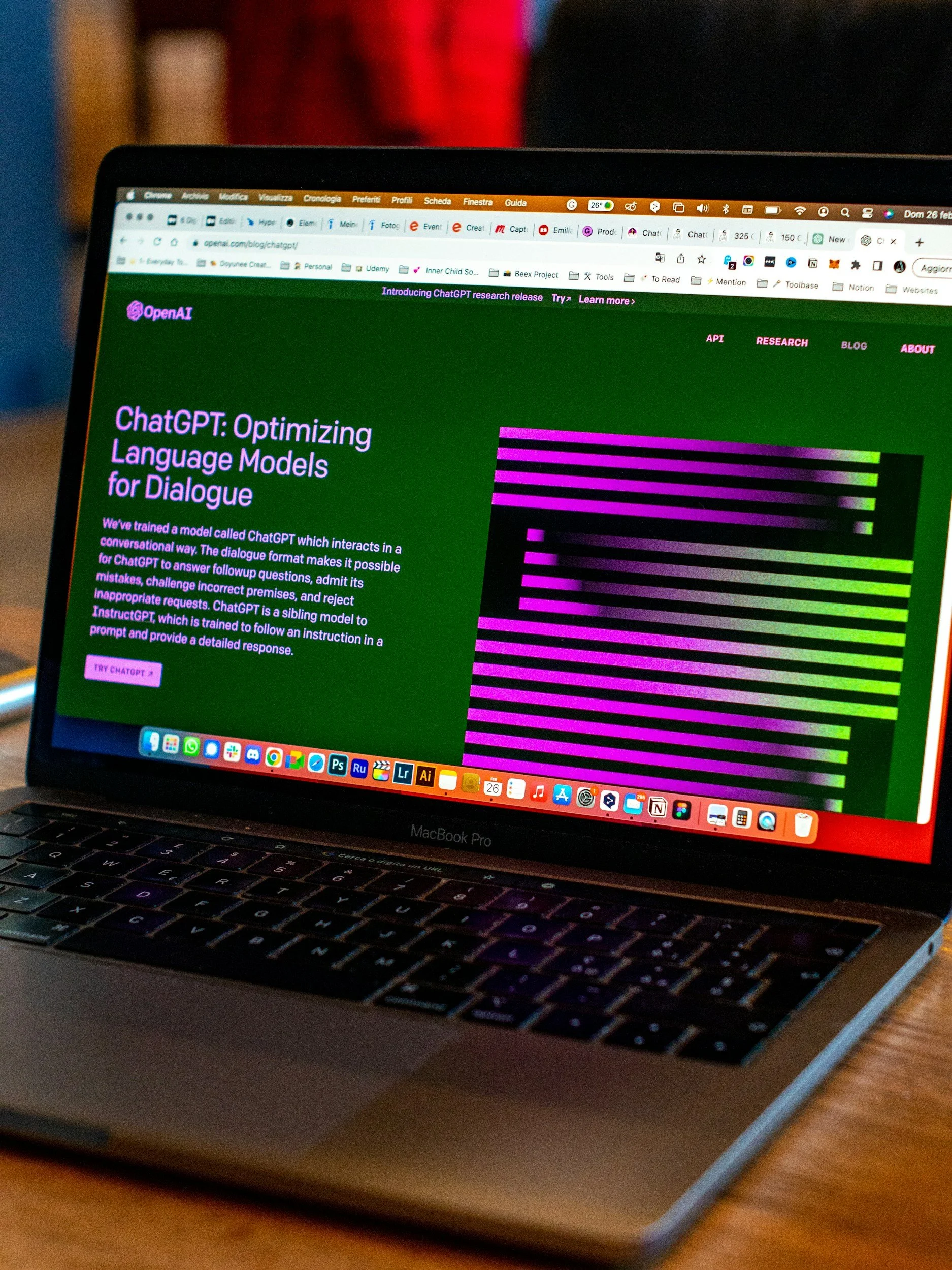
This is why training and development will play such an important role over the next number of years. Employees need the opportunity to develop familiarity with these tools in a structured and supportive way. When people are given time to experiment and understand how artificial intelligence can assist their work, confidence grows quickly.
Organisations that support this learning environment will build workforces that are adaptable and capable of responding to future changes. Those that assume employees will simply learn these skills independently may find the transition far more difficult.
The Stakes Are Increasing
Over the coming years differences between organisations are likely to become more visible. Businesses that invest in workforce capability and integrate artificial intelligence thoughtfully into their operations may begin to see measurable improvements in productivity and efficiency.
At the same time other organisations may struggle if artificial intelligence remains something that is discussed but not fully incorporated into everyday work.
One of the greatest risks is that leadership teams become absorbed in short term operational pressures while postponing the broader organisational thinking that this transition requires. Artificial intelligence adoption is not only a technology decision. It affects training, leadership, organisational structure and culture.
The organisations that progress most successfully will be those that treat artificial intelligence as part of a broader evolution in how work is organised and supported. When technology, skills and leadership are aligned, improvements tend to emerge naturally through better processes and more informed decision making.
The Leadership Challenge Ahead
The central leadership challenge in the years ahead will not simply be introducing artificial intelligence tools. It will be helping people understand how to use them well.
That means investing in skills, encouraging responsible experimentation and creating an environment where employees feel comfortable learning and adapting. It also requires leaders to remain actively involved in how these systems influence decision making within the organisation.
Artificial intelligence will continue to develop rapidly. The organisations that benefit most will not necessarily be those that adopt every new tool first. They will be those that build the capability, judgement and confidence within their workforce to use these technologies thoughtfully.
When organisations achieve this balance they tend to see more than productivity gains. They also strengthen trust within their teams and build greater confidence in the decisions that shape the future of the business.
If you would like to discuss how these developments may affect your organisation or leadership team, get in touch.